Commercial Security Project Examples
Explore practical ways to plan cameras, access control, temporary surveillance and low-voltage infrastructure around your property’s needs.
Illustrative planning scenarios: these examples and images explain potential system designs. They are not claims of completed PGC customer deployments or measured results.
Security technology in context
What can I learn from these security project examples? Each example starts with a property need, such as a camera blind spot or a door shared by several tenants. Use it to plan what to inspect and what to include in a quote. Final equipment and cost depend on a site assessment.
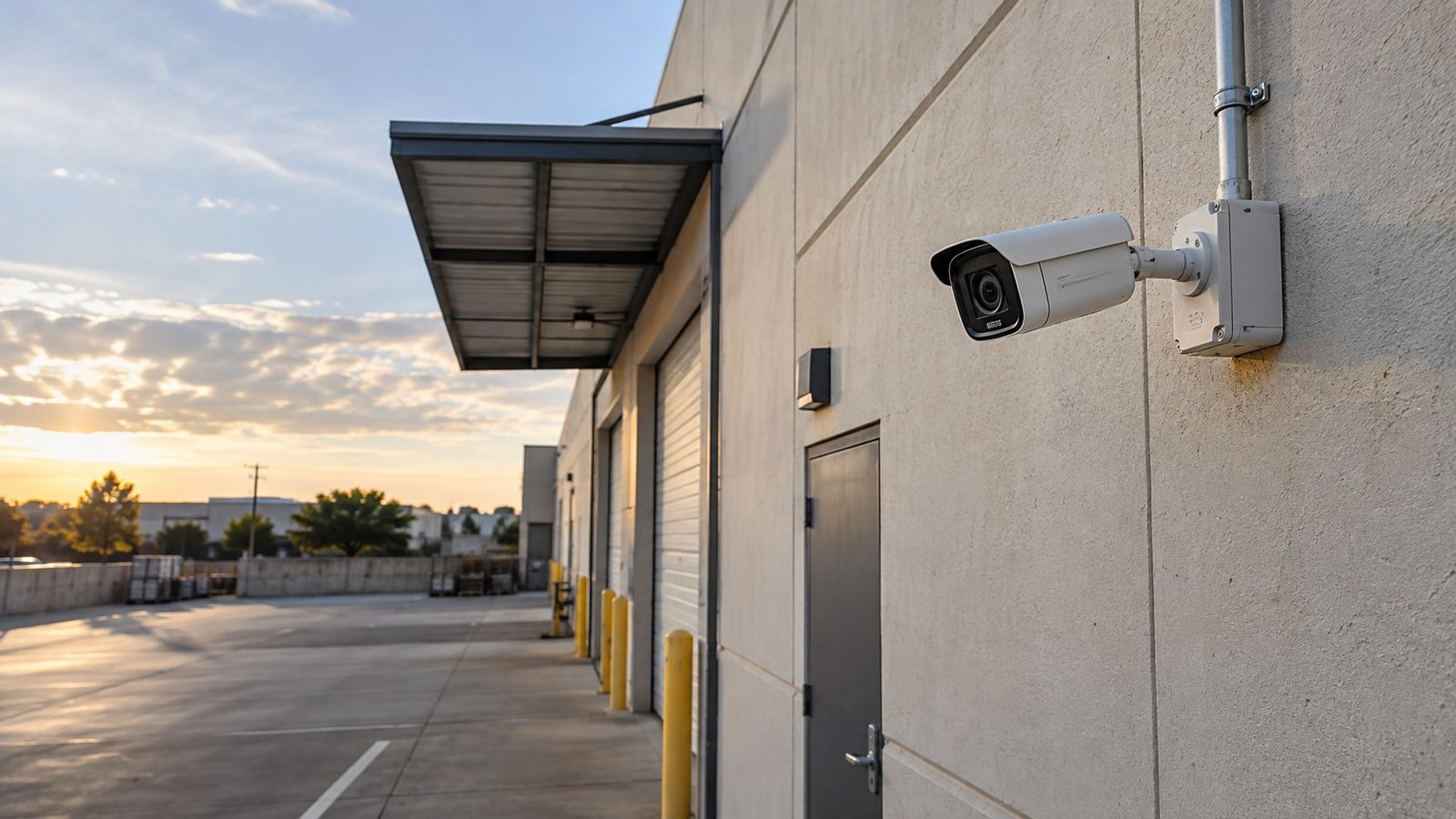 Camera upgradesPlanning scenario
Commercial camera system upgrade
Start with a coverage review of entrances, delivery areas and parking. Check existing camera models, recording quality and network capacity before deciding what to retain. Compatible analytics can help flag selected activity and make incident review more practical.
 Controlled entryPlanning scenario
Doors, credentials and access records
Map the doors and user groups that need controlled access. A plan may include readers, schedules, door-position monitoring and an offboarding process. Door hardware, life-safety requirements and integration compatibility must be reviewed for each opening.
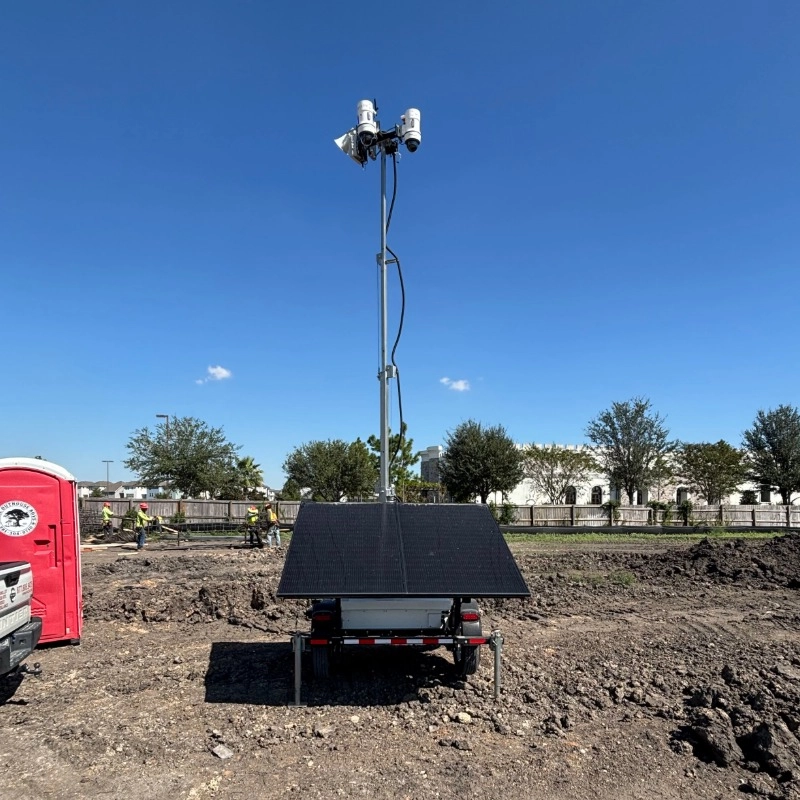 Temporary camerasPlanning scenario
Temporary construction-site visibility
Identify equipment storage, gates and material delivery routes. Evaluate trailer placement, power, cellular coverage and relocation needs as the site changes. Recording, alert handling and any monitoring arrangement should be defined before deployment.
 Video intelligencePlanning scenario
Warehouse and loading-area visibility
Review loading docks, employee entrances and yard activity without assuming one camera can serve every purpose. Lighting, vehicle movement and recording detail determine the design. Define alert zones and video-access permissions around the facility’s operating schedule.
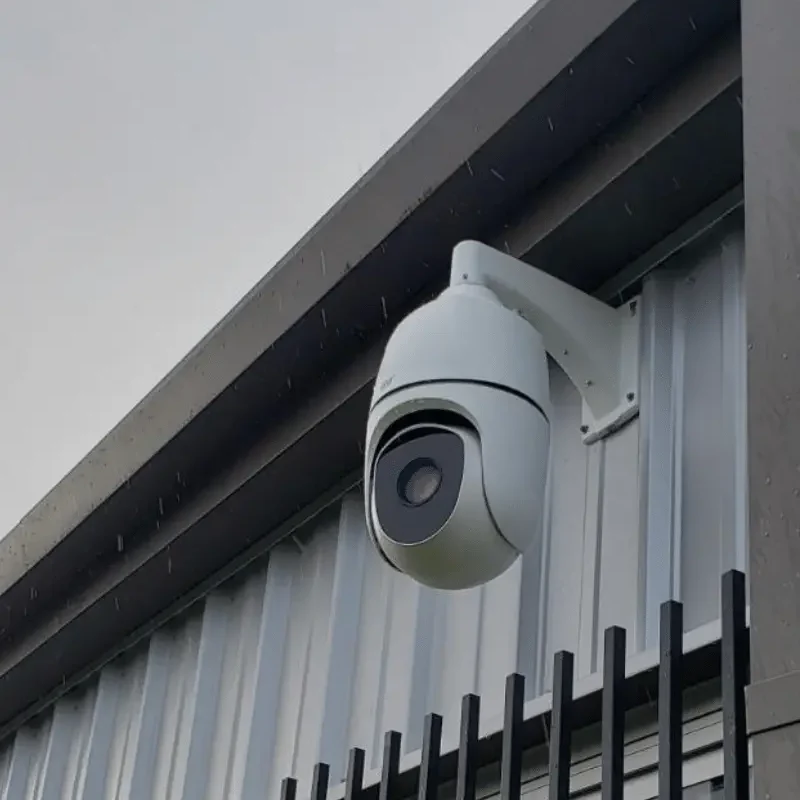 Shared propertiesPlanning scenario
Multifamily gate and common-area planning
Coordinate gate activity, package-room access and common-area cameras with property operations. Review visitor workflows, credential changes and who can retrieve incident footage. Privacy boundaries and the property’s escalation process should be agreed before choosing technology.
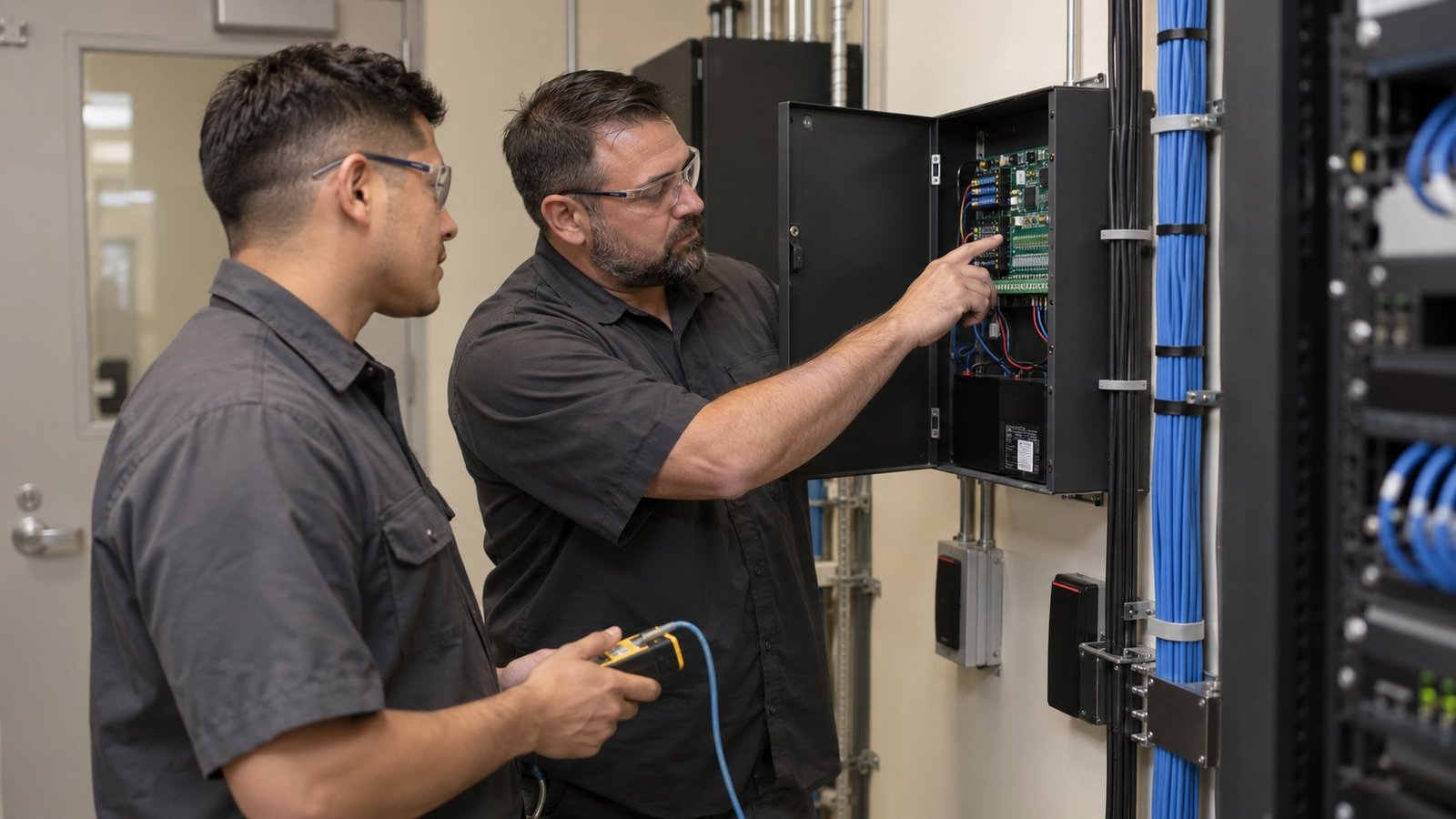 System infrastructurePlanning scenario
Cabling and equipment readiness
Reliable cameras and readers depend on suitable cabling, power and network design. Review pathways, switch capacity, equipment locations and labeling. Plan testing and handover documentation so the installed infrastructure can be supported and expanded.
What a project review should answer
For a Dallas–Fort Worth property, start with the areas that matter most: entrances, gates, parking, restricted rooms and delivery routes. Tell us what currently happens, what evidence you need and who should receive an alert.
PGC can review existing cameras, network infrastructure, access points and alarm needs. The proposed scope should identify equipment, installation requirements, integrations, recording and licensing costs, and any support or monitoring arrangements. Compatibility and service availability need to be confirmed for the specific system.
Before installation, agree on coverage objectives and acceptance checks. Handover should explain user permissions, incident retrieval, alert responsibilities and how to request support. This creates a practical basis for comparing options without relying on generic promises about crime prevention.
Plan your next security project
Share your property type, city, existing systems and main concern. Powerhouse Guardians will review the requirements and recommend a practical next step for your DFW site.